Clinical Guide
The Importance of Modern Intensive Care Units in Veterinary Clinics

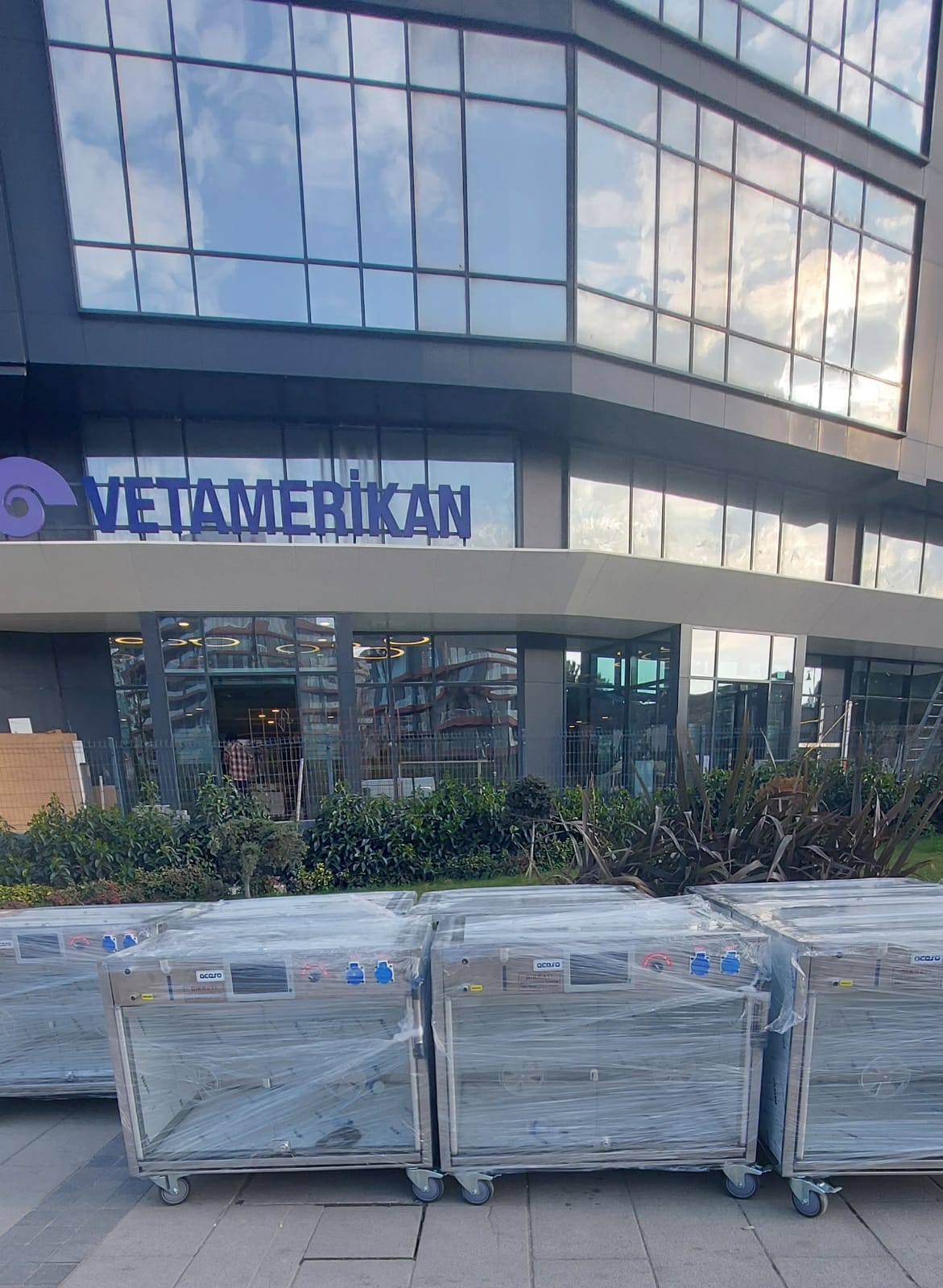
Our Aceso Model Intensive Care Unit improves treatment processes by providing a controlled environment for sensitive animal patients with temperature control and oxygen support.
A standard cage is not enough for post-operative, neonatal, geriatric or critical patients. A patient that cannot maintain body temperature, needs oxygen or requires continuous observation needs a controlled environment. That is exactly what an intensive care unit provides.
What does an intensive care unit do?
Our Aceso Model Intensive Care Unit keeps the temperature constant in the patient compartment and provides oxygen support. The transparent door allows observation without opening the compartment, so temperature and oxygen levels are not disturbed at every check.
When is it needed?
- Recovery from anaesthesia and the first hours after surgery
- Neonates and small breeds at risk of hypothermia
- Patients with respiratory distress
- Post-operative monitoring of geriatric patients
- Observation after poisoning or trauma
Hygiene and durability
Like our cage systems, the unit body is made with chemical-resistant, easy-to-clean surfaces. In the compartment where critical patients are kept, infection control matters as much as the treatment itself.
Where it sits in the clinic
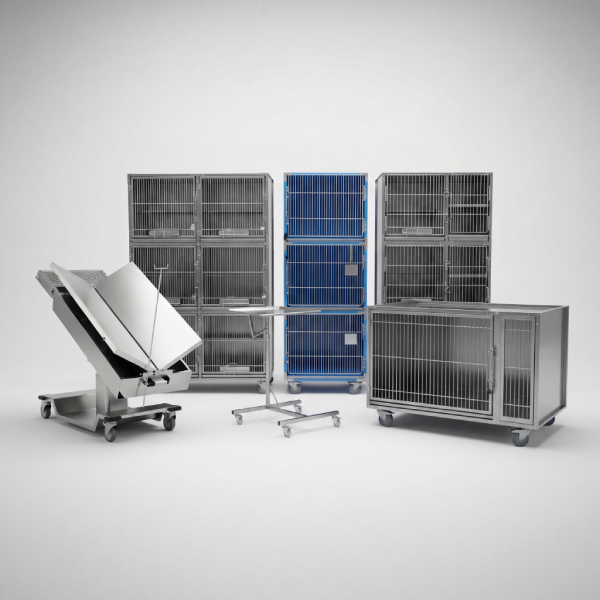
The intensive care unit is usually placed near the operating room, where staff can see it at all times. It can be installed in line with our modular cage systems so that patient monitoring is concentrated in one area.
Request a quote from the product page for an intensive care solution that matches your clinic's patient profile, or give us a call.
Explore Our Products
We offer high-quality, certified equipment for all your needs from veterinary clinics to animal hospitals.